

Fitness is fun! It’s a great way to improve your overall health and wellness. Through exercise, you may even find yourself feeling less stressed and more relaxed. You’ll have more energy during the day, too! However, the number one way to make exercise a part of your life is by participating in activities you find fun and enjoyable. It may help to exercise with a friend or family member.
Exercise Safety
It’s important to consult your health care provider before starting any exercise program. The exercises featured in the strength training fitness guide here are for teens who are in good health and have no physical restrictions. Be sure to listen to your body. Exercise should feel like you are working out (your breathing should be heavier than usual, and you might break a sweat), but not like you are injuring your body. If a particular exercise or stretch hurts, STOP immediately. You may be performing the exercise incorrectly, injuring yourself. If you feel dizzy, have trouble breathing, or experience any pain while exercising, STOP immediately and talk to your health care provider about next steps.
Your body needs energy (food and fluids) to perform at its best. Our sports nutrition guide will help you understand what to eat and drink before, during, and after exercise so you feel energized, build and repair muscles, and have a safe workout.
My Muscles
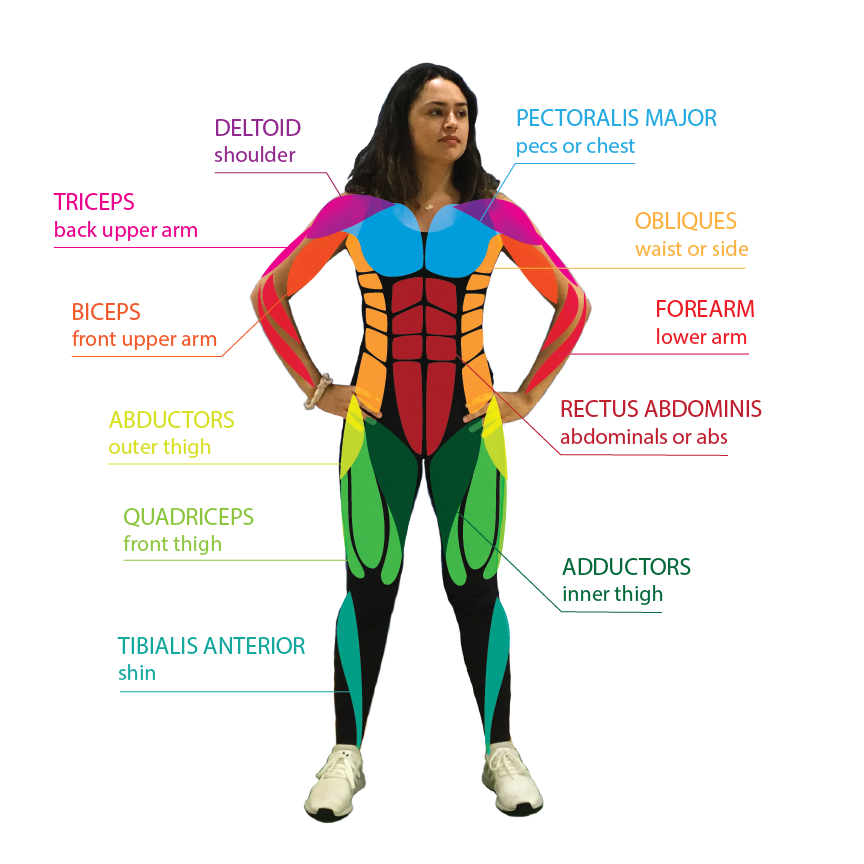
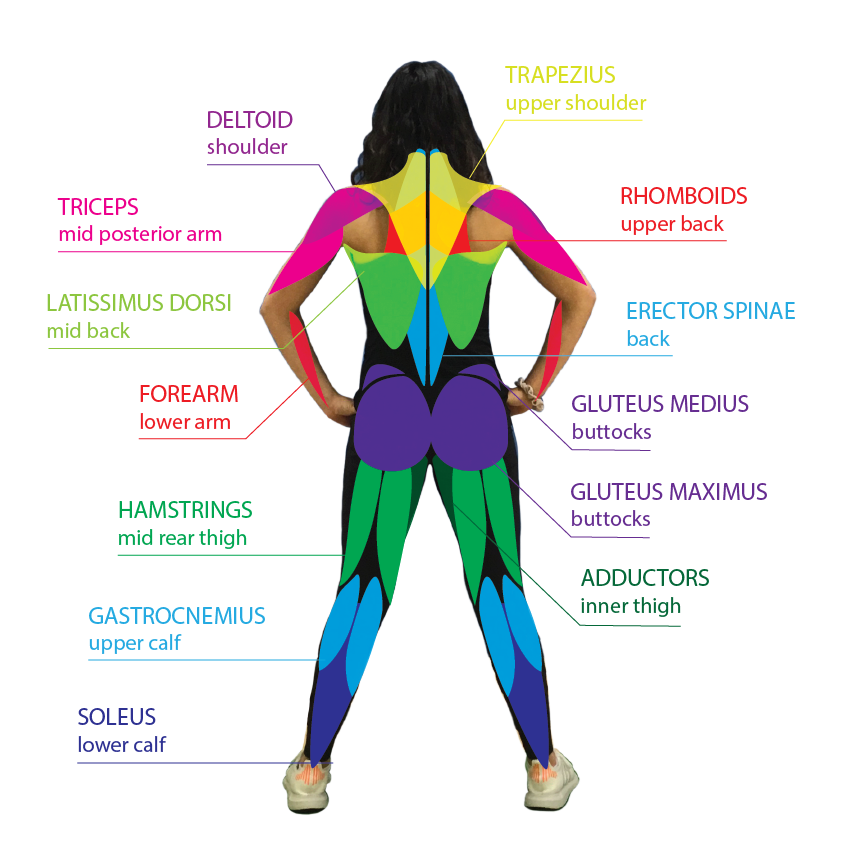
Understanding the names and locations of your muscles is important when you’re exercising. If you know the specific muscles you’re using, it is easier to focus on each aspect of your workout. This helps you to be more efficient and to prevent injuries.
How to use My Muscles:
- Learn the names of your muscles and where they are located on the body by looking at the pictures below.
Look at both views: front (anterior) and back (posterior)
Our health guides are developed through a systematic, rigorous process to ensure accuracy, reliability, and trustworthiness. Written and reviewed by experienced healthcare clinicians from Boston Children's Hospital, a Harvard Medical School teaching hospital and consistently ranked as a top hospital by Newsweek and U.S. News & World Report, these guides combine clinical expertise, specialized knowledge, and evidence-based medicine. We also incorporate research and best practices from authoritative sources such as the CDC, NIH, PubMed, top medical journals, and UpToDate.com. Clinical specialists and subject matter experts review and edit each guide, reinforcing our commitment to high-quality, factual, scientifically accurate health information for young people.