Key Facts
- Pilates strengthens your core muscles and improves posture, flexibility, and balance.
- It can be adapted for all fitness levels, from beginner to advanced.
- Regular practice can help reduce stress, prevent injury, and build body awareness.
- You can do Pilates on a mat or with specialized equipment such as a reformer.
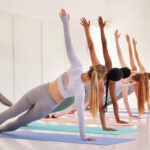
This guide explains what Pilates is, its physical and mental benefits, and how to begin safely whether you are working out at home or in a studio. With regular practice, Pilates can improve how you move, breathe, and feel in your body.
What is Pilates?
Pilates is a form of exercise that focuses on controlled movements, proper alignment, and breathing. It strengthens the muscles of the core, which include your abdominals, lower back, hips, and glutes. Unlike workouts that rely on high intensity or speed, Pilates emphasizes slow, precise motions that build strength and stability from the inside out.
Pilates can be done on a mat using your body weight or with equipment that adds resistance to increase difficulty. Both types share the same principles of control, concentration, and fluid movement.
What are the benefits of Pilates?
Pilates helps improve strength, flexibility, and coordination. It supports better posture and reduces the risk of back pain by strengthening your core. Many people find that it improves focus and relieves stress because of its connection between movement and breathing.
It is also gentle on the joints and can be part of a recovery plan after injury. For athletes, dancers, or anyone who spends long hours sitting, Pilates can balance the body by working muscles that are often overlooked.
Are there different ways to practice Pilates?
Yes, the two most common ways to practice Pilates are mat Pilates and equipment-based Pilates.
- Mat Pilates uses only a mat and sometimes small props like resistance bands or balls. It focuses on body control and stability.
- Equipment-based Pilates uses machines such as the reformer, Cadillac, or chair. These machines use springs and pulleys to add resistance and help guide proper form.
Both types follow the same principles and can be equally effective depending on your goals.
How often should I practice Pilates?
Beginners can start with two to three sessions each week. As you gain experience, you can increase your frequency or combine Pilates with other workouts such as cardio or strength training.
The key to progress is consistency. Doing Pilates regularly helps your body build endurance and allows you to feel more connected to your movements.
Where should I start?
You can begin Pilates at home or in a studio. If you are new, it may help to take a few classes with a certified instructor to learn correct form and breathing. This is especially useful if you are using equipment or recovering from an injury.
Online videos and apps can be helpful once you are comfortable with the basics. Always start slowly, listen to your body, and stop if you feel pain or strain.
What should I wear to Pilates? Should I bring anything special?
Wear fitted, comfortable clothing that allows you to move easily. Avoid loose clothing that could get caught in equipment. Most people do Pilates barefoot or with special grip socks to prevent slipping.
Bring a water bottle and a small towel. If you are using a mat, make sure it is firm and provides enough support for your spine.
Who should avoid Pilates?
Pilates is generally safe for most people. However, if you have a serious back injury, joint problems, or are pregnant, talk to your health care provider before starting. Some moves may need to be modified to keep you safe.
Always tell your instructor about any injuries or medical conditions so they can adjust exercises for your needs.
Final Thoughts
Pilates is a mindful and effective way to strengthen your body, improve posture, and reduce stress. Whether you practice at home or in a studio, the focus on control and alignment helps you feel more balanced and confident. Consistency and patience are the most important parts of progress. Over time, you will notice improvements not only in your strength but also in how you move through everyday life.
Our health guides are developed through a systematic, rigorous process to ensure accuracy, reliability, and trustworthiness. Written and reviewed by experienced healthcare clinicians from Boston Children's Hospital, a Harvard Medical School teaching hospital and consistently ranked as a top hospital by Newsweek and U.S. News & World Report, these guides combine clinical expertise, specialized knowledge, and evidence-based medicine. We also incorporate research and best practices from authoritative sources such as the CDC, NIH, PubMed, top medical journals, and UpToDate.com. Clinical specialists and subject matter experts review and edit each guide, reinforcing our commitment to high-quality, factual, scientifically accurate health information for young people.